Samsung EDL Mode Tutorial: Prepare for CPID IMEI Repair & Carrier Unlock
If you want to repair or unlock a Samsung device with CPID Server IMEI Repair, proper preparation is essential. The most important step is placing your device into EDL (Emergency Download) mode.
This tutorial explains how to prepare, what tools and files you need, and why EDL matters for successful IMEI repair and carrier unlocking. For tokens and combination files, you can also check our detailed article on Samsung eToken for CPID IMEI Repair & Combination Flash.
What Is EDL Mode?
EDL, or Emergency Download Mode, is a Qualcomm low-level flashing protocol. It allows access to flash debug files, EmToken, and combination firmware. Without EDL preparation, Samsung IMEI repair via CPID Server cannot proceed.
Step-by-Step Preparation Guide
1. Factory Reset & Power Off
-
Perform a factory reset after ordering your EmToken or submitting your DID.
-
Power off the device completely.
2. Install Qualcomm Driver
-
Download and install the Qualcomm USB driver on your PC.
👉 Qualcomm Driver Download
3. Prepare the EDL Cable
-
Apply tape to the EDL cable’s button so it stays pressed.
4. Connect EDL Cable to Power
-
Use a Samsung or iPhone power cube for stability.
5. Enter EDL Mode
-
Connect powered-off phone to EDL cable.
-
Quickly press Volume Down 4–6 times.
-
Disconnect immediately.
⚠️ If a charging logo appears, retry.
6. Connect to Computer
-
Use the original Samsung USB cable.
-
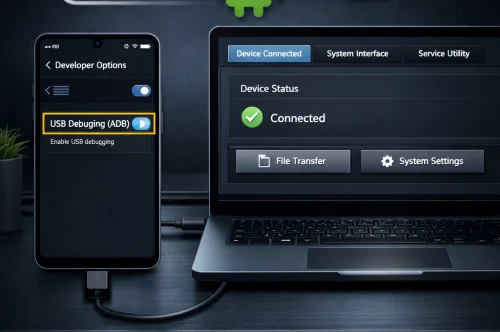
Confirm the Qualcomm QDLoader port shows in Device Manager.
7. File Preparation
-
Debug file(s) for your model
-
Combination firmware
-
Stock firmware
-
Patched Odin tool
👉 You can find both free and paid Samsung repair files on GSM Supporters File Store.
Why Choose EDL Service?
-
Cost-Effective compared to direct methods
-
Versatile across Qualcomm-based Samsung devices
-
Reliable with proper preparation
Limitations of EDL Service
-
Time-Consuming process
-
Complex with multiple file requirements
-
Needs EDL cable instead of simple USB
EDL vs Direct CPID Server Repair
-
EDL Service: lower cost, wide compatibility, but manual steps
-
Direct IMEI Repair Service: faster USB-only process offered by IMEI Repair Server, but higher cost
👉 Use EDL for budget-friendly repairs.
👉 Use Direct CPID Repair for speed and simplicity.
Important Warnings
-
Data Wipe: All data will be erased. Backup first.
-
One-Time Tokens: Single use only, tied to your DID.
-
Firmware Accuracy: Use the correct combination + stock firmware.
Why This Matters
Correct EDL preparation ensures compatibility with Samsung eToken services and enables successful IMEI repair workflows using CPID Server online services.
FAQs
Q1: What error does EDL preparation fix?
It allows flashing of combination firmware by bypassing “Please get approval to use the factory binary”.
Q2: Will my data be wiped?
Yes, EDL flashing removes all data.
Q3: Do I need to buy files?
If you buy the full IMEI repair service at IMEI Repair Server, files and tokens are included. Otherwise, get them from QuickAccDeals.
Q4: How long does token delivery take?
Usually within 1–5 minutes.
Conclusion
The Samsung EDL Mode Tutorial provides everything you need to prepare for CPID Server IMEI repair and carrier unlock. With proper EDL setup, drivers, and firmware ready, your device will be fully optimized for repair.
👉 For tokens, check out Samsung eToken for CPID IMEI Repair & Combination Flash.
👉 For a full step-by-step flashing process, read How to Flash Debug File, EmToken & Combination Firmware via EDL.
👉 For required files, visit QuickAccDeals File Store.
Whether you pick EDL service or direct repair via CPID Server, success depends on careful preparation — and now you have the roadmap.